

IVD (In vitro diagnostics) & SARS-CoV-2 (COVID-19)
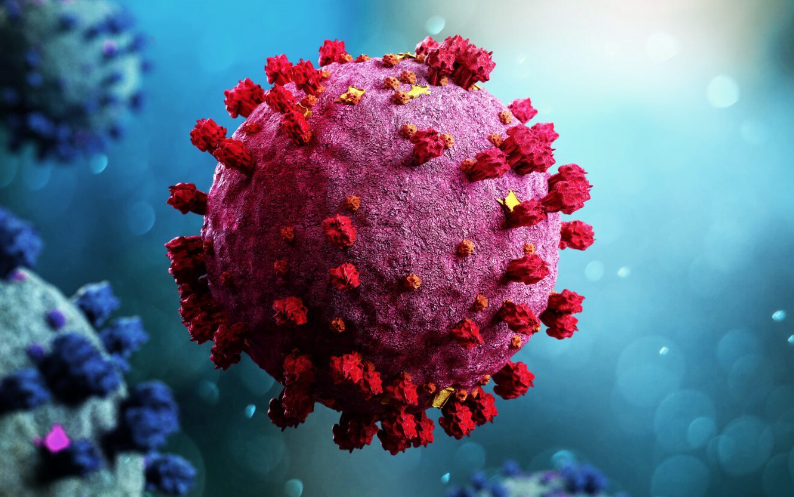
Coronaviruses are a family of viruses that can cause illnesses such as the common cold, severe acute respiratory syndrome (SARS) and Middle East respiratory syndrome (MERS). In 2019, a new coronavirus was identified as the cause of a disease outbreak that originated in China. The virus is known as severe acute respiratory syndrome coronavirus 2 (SARS-CoV-2). The disease it causes is called coronavirus disease 2019 (COVID-19). In March 2020, the World Health Organization (WHO) declared the COVID-19 outbreak a pandemic. Public health groups, including the U.S. Centers for Disease Control and Prevention (CDC) and WHO, are monitoring the COVID-19 pandemic and posting updates on their websites. These groups have also issued recommendations for preventing and treating the virus that causes COVID-19. Infection with severe acute respiratory syndrome coronavirus 2, or SARS-CoV-2, causes coronavirus disease 2019 (COVID-19). The virus that causes COVID-19 spreads easily among people. Data has shown that the COVID-19 virus spreads mainly from person to person among those in close contact. The virus spreads by respiratory droplets released when someone with the virus coughs, sneezes, breathes, sings or talks. These droplets can be inhaled or land in the mouth, nose or eyes of a person nearby. Sometimes the COVID-19 virus can spread when a person is exposed to very small droplets or aerosols that stay in the air for several minutes or hours — called airborne transmission. The virus can also spread if you touch a surface with the virus on it and then touch your mouth, nose or eyes. But the risk is low. The COVID-19 virus can spread from someone who is infected but has no symptoms. This is called asymptomatic transmission. The COVID-19 virus can also spread from someone who is infected but hasn’t developed symptoms yet. This is called presymptomatic transmission. It’s possible to get COVID-19 more than once.
When a virus has one or more new mutations it’s called a variant of the original virus. The omicron (B.1.1.529) variant spreads more easily than the original virus that causes COVID-19 and the delta variant. However, omicron appears to cause less severe disease. People who are fully vaccinated can get breakthrough infections and spread the virus to others. But the COVID-19 vaccines are effective at preventing severe illness. This variant also reduces the effectiveness of some monoclonal antibody treatments. Omicron has a few major offshoots (sublineages), including BA.5 and BA.2.12.1. BA.5 made up about 88% of COVID-19 infections that had genetic sequencing in the U.S. in August, 2022, according to the CDC.
In April, the CDC downgraded the delta variant from a variant of concern to a variant being monitored. This means that the delta variant isn’t currently considered a major public health threat in the U.S
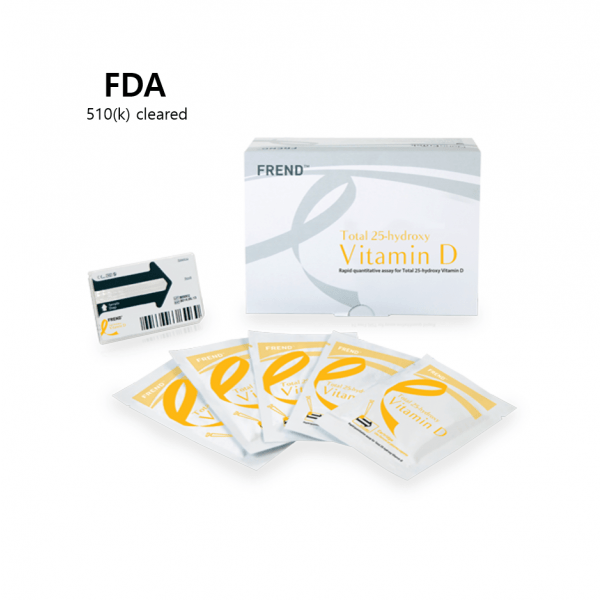
Vitamin D Deficiency & COVID
The COVID-19 pandemic represents one of the world’s most important challenges for global public healthcare. Various studies have found an association between severe vitamin D deficiency and COVID-19-related outcomes. Vitamin D plays a crucial role in immune function and inflammation. Recent data have suggested a protective role of vitamin D in COVID-19-related health outcomes. The purpose of this meta-analysis and trial sequential analysis (TSA) was to better explain the strength of the association between the protective role of vitamin D supplementation and the risk of mortality and admission to intensive care units (ICUs) in patients with COVID-19. Methods: We searched four databases on 20 September 2022. Two reviewers screened the randomized clinical trials (RCTs) and assessed the risk of bias, independently and in duplicate. The pre-specified outcomes of interest were mortality and ICU admission. Results: We identified 78 bibliographic citations. After the reviewers’ screening, only five RCTs were found to be suitable for our analysis. We performed meta-analyses and then TSAs. Vitamin D administration results in a decreased risk of death and ICU admission (standardized mean difference (95% CI): 0.49 (0.34–0.72) and 0.28 (0.20–0.39), respectively). The TSA of the protective role of vitamin D and ICU admission showed that, since the pooling of the studies reached a definite sample size, the positive association is conclusive. The TSA of the protective role of vitamin D in mortality risk showed that the z-curve was inside the alpha boundaries, indicating that the positive results need further studies. Discussion: The results of the meta-analyses and respective TSAs suggest a definitive association between the protective role of vitamin D and ICU hospitalization.
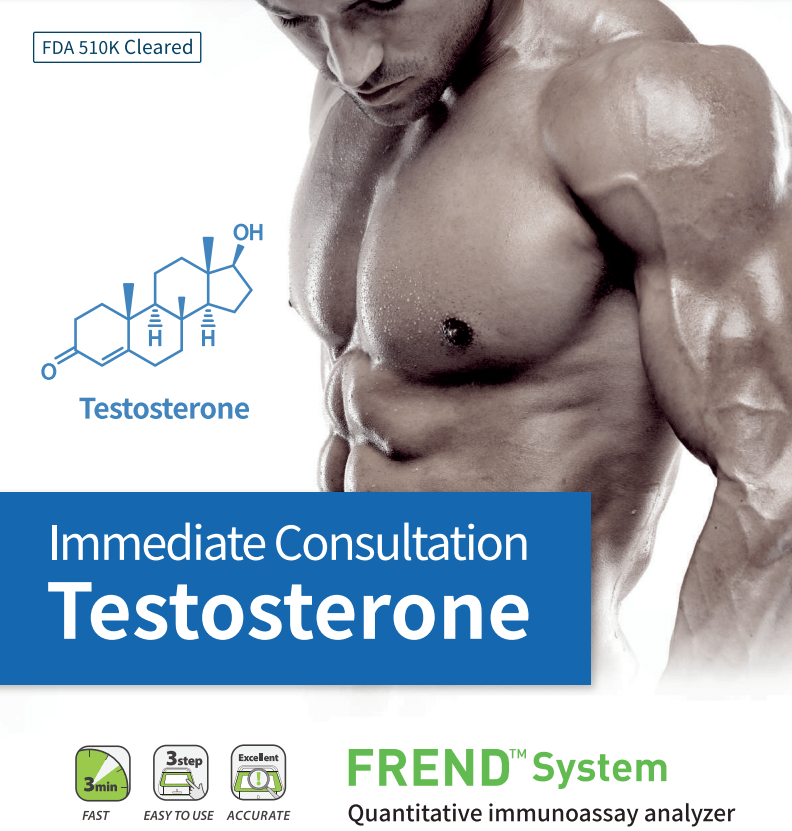
Testosterone Levels – SARS-CoV-2
Results from numerous autopsy studies have shown severe structural damage and changes in the testes of deceased patients with COVID-19. An acute impairment of spermatogenesis in patients with COVID-19 is probably caused by fever, however, the existence of long-term effects of COVID-19 on fertility, as observed in other viral testis infections, is still highly conceivable. Additionally, low levels of total testosterone in male patients with COVID-19 are frequently reported, and hypogonadism is often secondary. COVID-19-associated coagulopathy (or impaired clot formation resulting in either excessive bleeding or clotting) can cause endothelial damage and vasculitis, potentially leading to thromboembolism, which obviously also affects a patient’s urogenital organs.
Fast and Accurate Results!
Accurate and Consistent Lab Work Deserves Reliable and Precise Equipment.
For any kind of quiries, Please call
900 Jorie Blvd Oak Brook IL 60523 USA
info@chinchillalife.com